Somerset field discovery · One specimen only
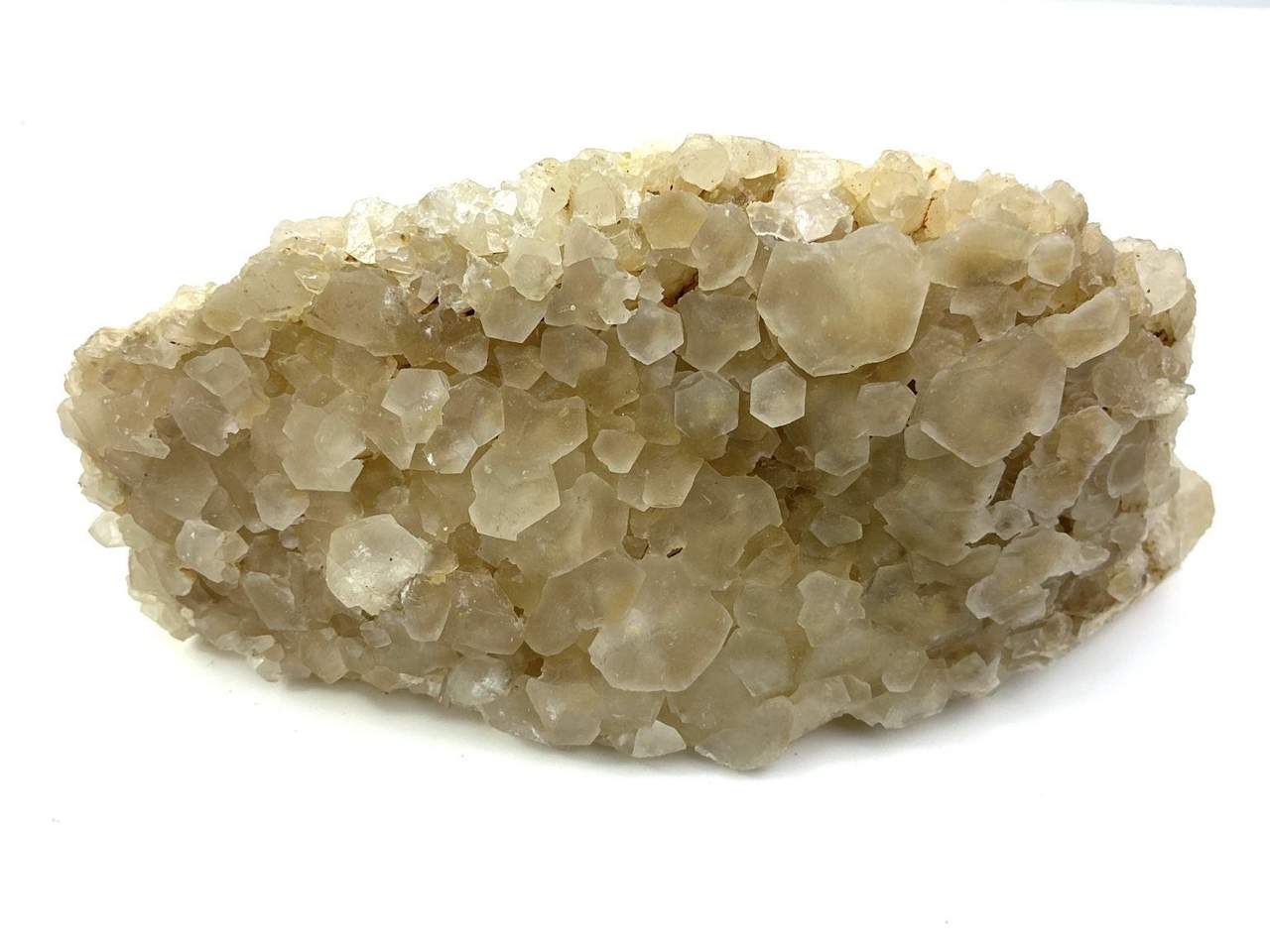
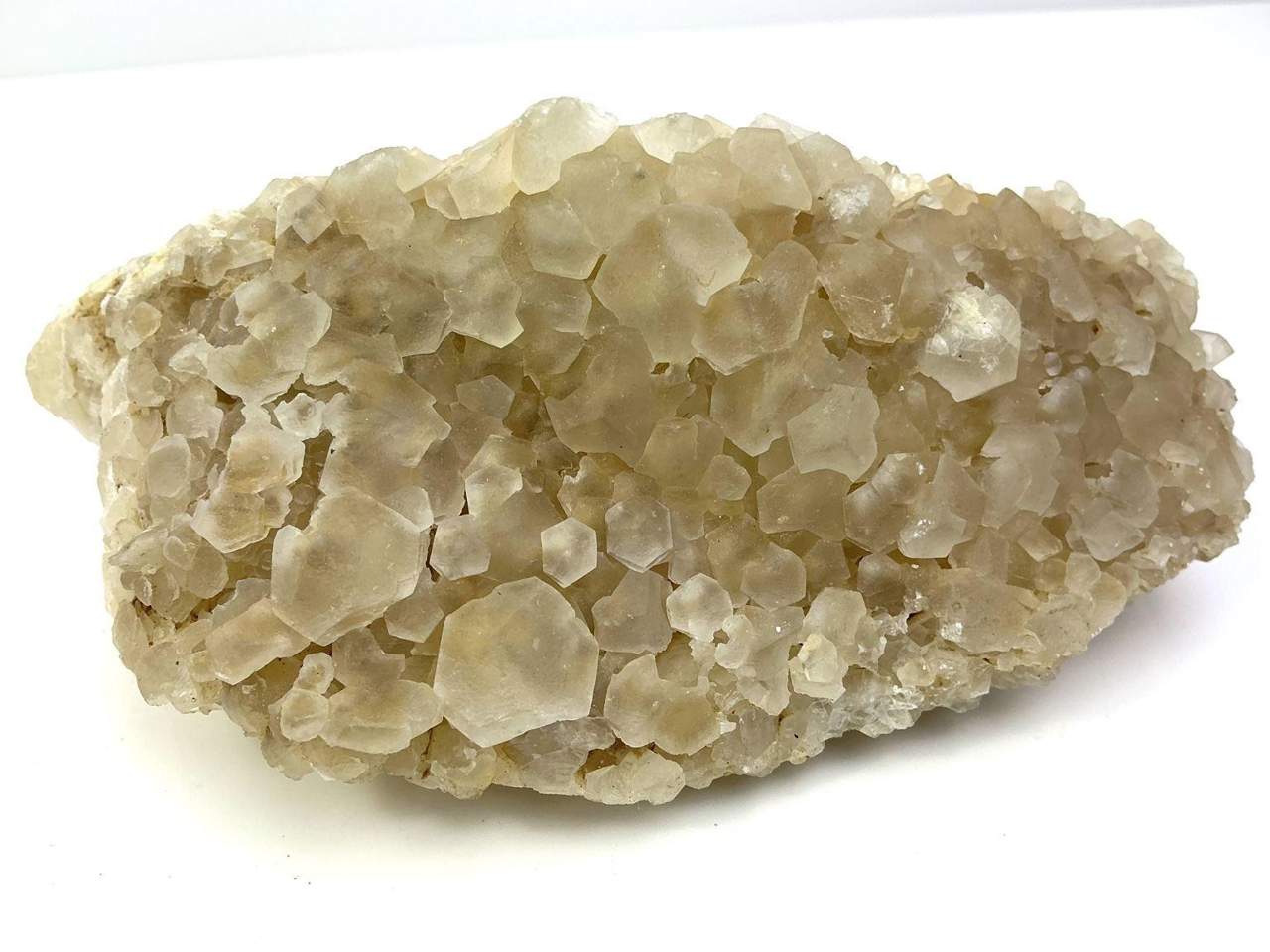
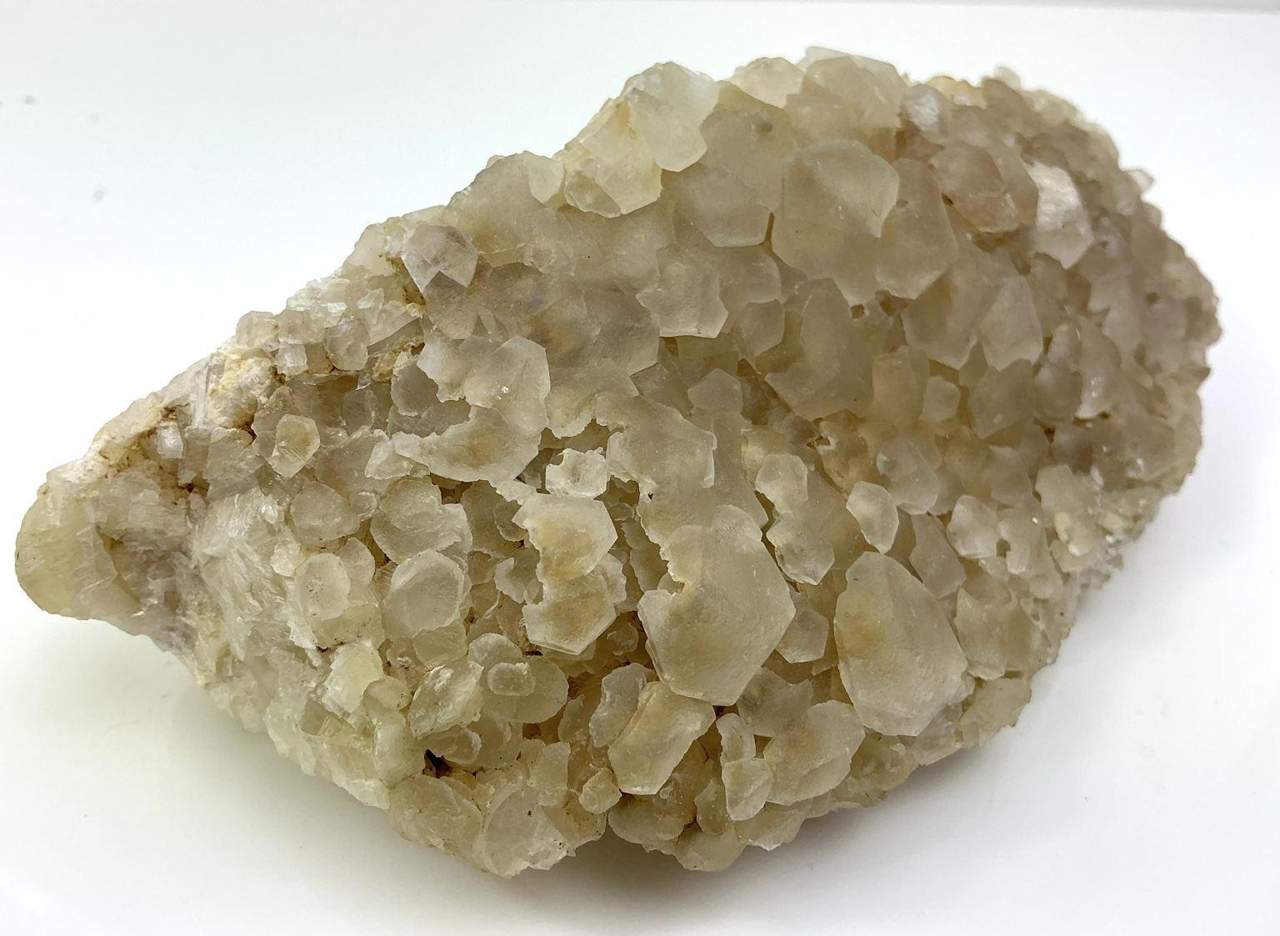
Jurassic Vein Calcite Crystal Cluster
Crewkerne Hill, Crewkerne, Somerset, England
£395
Postage: £3.70, added to your specimen price before payment. Choose the region matching your delivery address.
International rates are for parcels up to 2 kg. Contact Avalon before buying heavier or oversized pieces. Royal Mail 24 and 48 are service names, not guaranteed arrival times.
Description
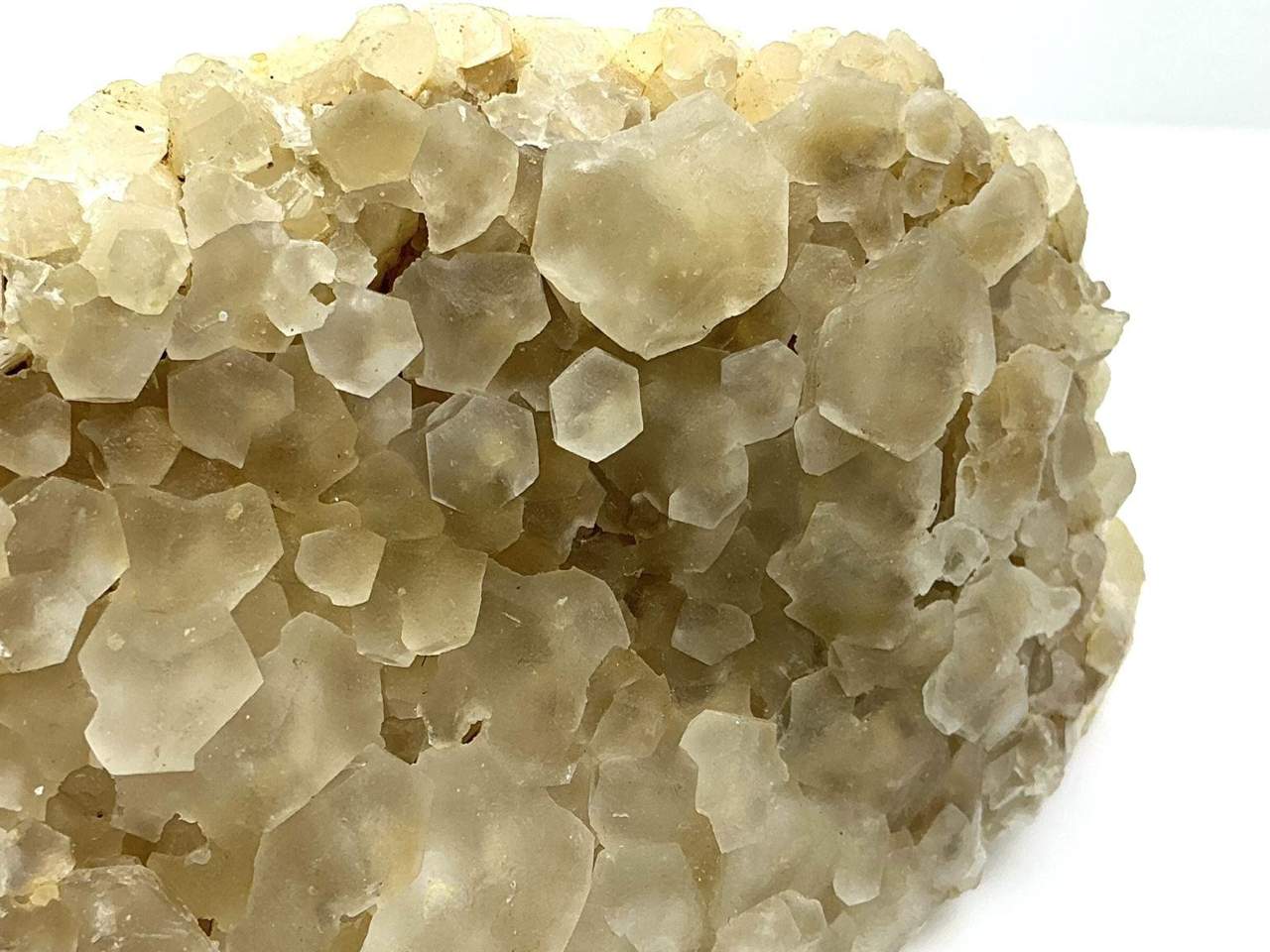
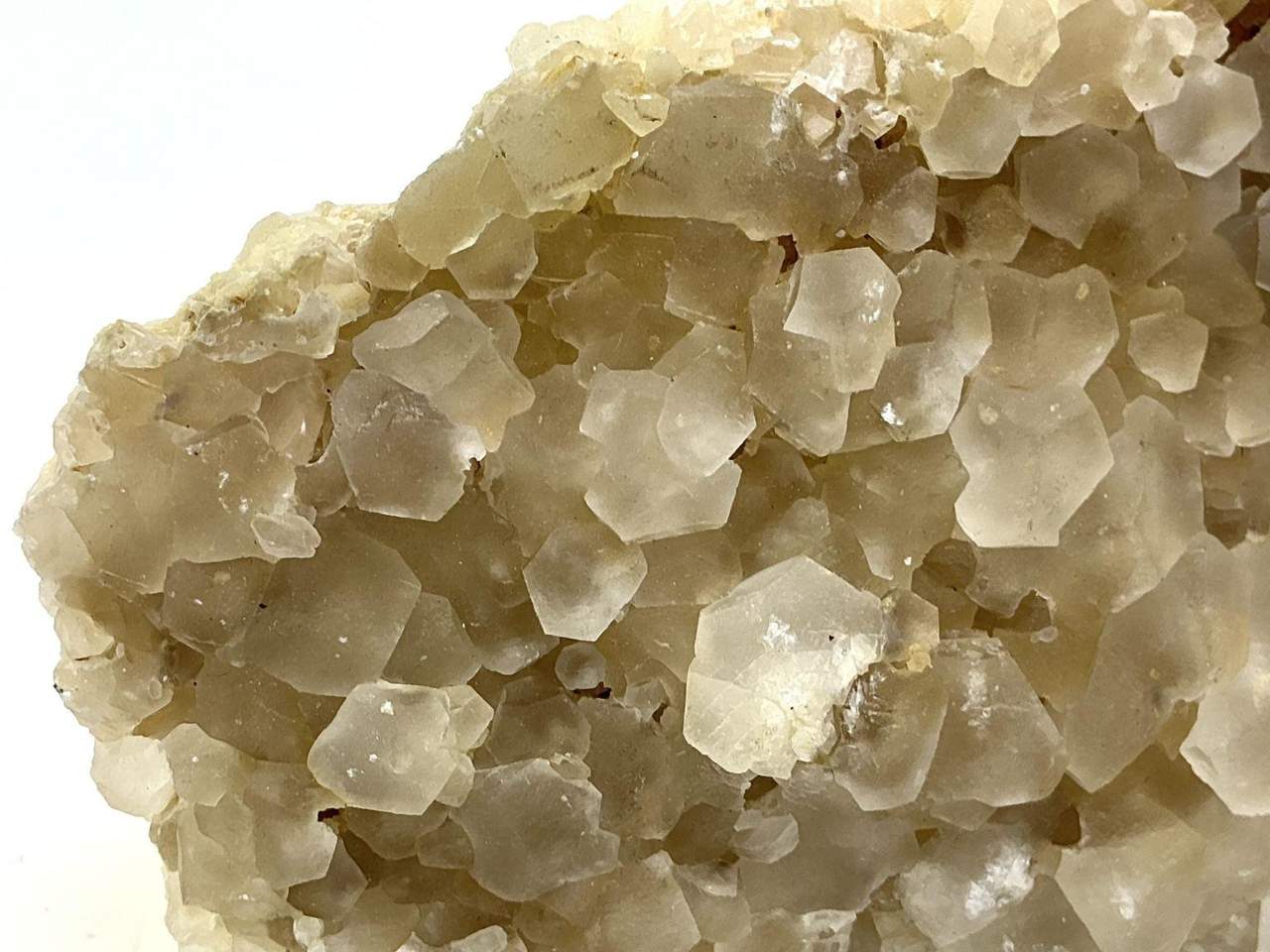
A self-standing cabinet cluster of honey-cream Calcite, personally discovered in an angled bedrock fracture vein during a Crewkerne Hill foundation excavation.
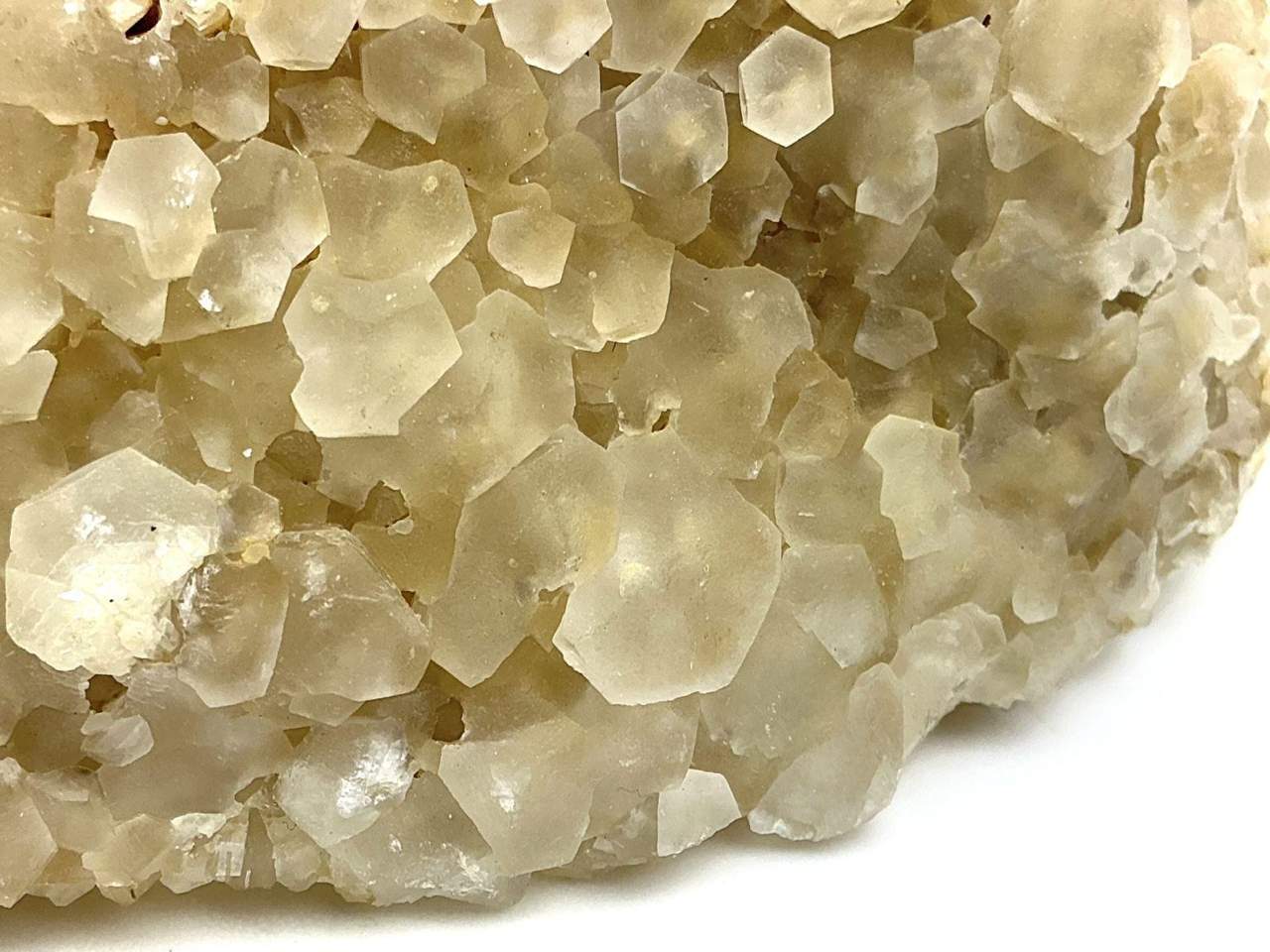
This naturally crystallised Calcite cluster was recovered from an angled fracture vein cutting solid limestone bedrock on Crewkerne Hill. Dense intergrowths of tabular to pseudo-hexagonal crystals give the display face its intricate texture. Soft honey-cream colour, stepped growth and subtle natural staining make each angle rewarding to examine.
Personal discovery: Jamieson Henry Chapman found the vein on 21 August 2025 while excavating house foundations approximately four metres deep. After intersecting the vein, he reported and showed a sample to the site office. Three representative pieces were retained from the find, including this specimen. Its precise locality, collection date and first-hand account provide unusually detailed provenance.
Geological context: The vein cuts Jurassic limestone below a fossil-bearing marlstone and ironstone layer, as recorded by the collector at the excavation. Fracturing of the bedrock provided a space in which mineral-bearing groundwater later deposited Calcite. “Jurassic” describes the host rock; the Calcite crystals themselves have not been dated.
Condition and display: Natural, unpolished and self-standing. No repairs or enhancements reported. Calcite is relatively soft and can cleave; handle from underneath, avoid acids and clean only with a soft dry brush.
Calcite is calcium carbonate, a mineral with an unusually wide range of crystal forms. It occurs in sedimentary rocks, mineral veins and many other geological settings. Although the composition remains broadly the same, differences in growth conditions can produce dramatically different outlines, from broad faces to slender or densely grouped crystals. This variety is part of its interest for a mineral collection.
Calcite has well-developed cleavage: it can split along particular planes in its crystal structure. Its natural growth faces and cleavage surfaces therefore deserve careful distinction. Transparent, translucent and more opaque examples all occur. The shape, arrangement and surface character of this piece are more informative than colour alone, especially when comparing specimens from different localities.
The recorded origin is Crewkerne Hill, Crewkerne, Somerset, England. Within a collection of Calcite specimens, this locality gives the piece a geographical identity alongside its particular crystal habit and natural setting.
The specimen measures 155 × 70 × 60 mm, with a recorded weight of 595 g. The proportions give a useful guide to its place in a display, with the individual crystal arrangement and mineral association remaining the principal points of interest.
Calcite is relatively soft and has pronounced cleavage, so support the stable part of the specimen when moving it. Avoid pressure on thin plates or projecting points. A secure display helps preserve the delicate edges and the arrangement of growth described for this piece.
Available from Avalon
A Somerset mineral with a first-hand discovery story.
Ask us about provenance, condition or delivery for this exact specimen.
Contact Avalon